Burst pipe at 2am, a water heater letting go, sewage coming up the floor drain — EMC answers live and rolls a crew the same night, then dries everything the water touched.
What to do before we arrive
Shut off the main water valve immediately. In most Maryland homes it is in the basement or crawlspace on the street-facing wall, near the water meter. Once it is closed, open a low faucet — a basement sink or outside spigot — to drain remaining pressure out of the lines so the leak slows.
If the water is near outlets, panels, or a furnace, shut off power to that area at the breaker. Do not walk through standing water to reach a panel. Then photograph everything before you move a single item — those pre-cleanup photos are the strongest evidence in your claim, and once you start hauling out wet contents they cannot be recreated.
The calls we run most
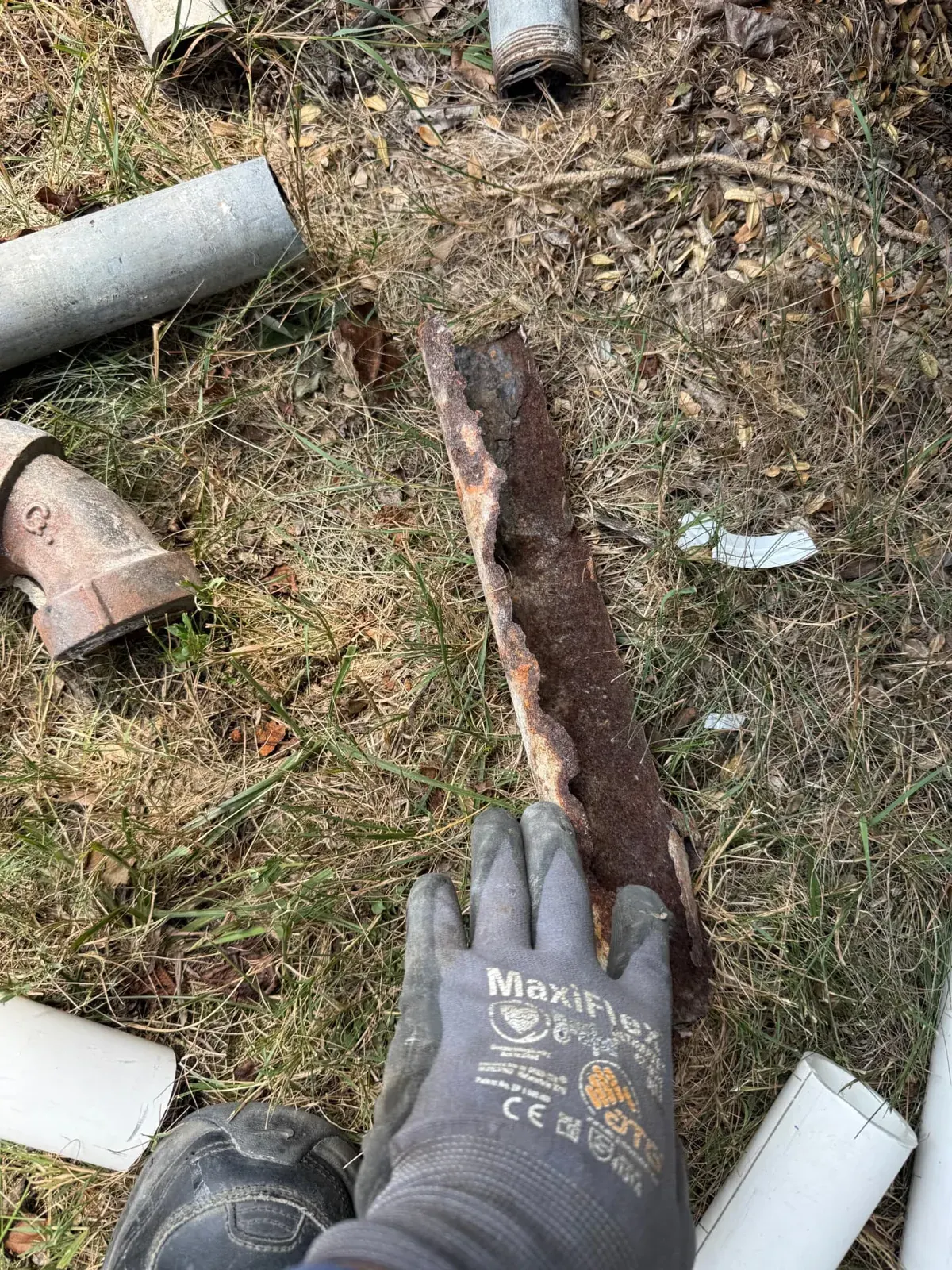
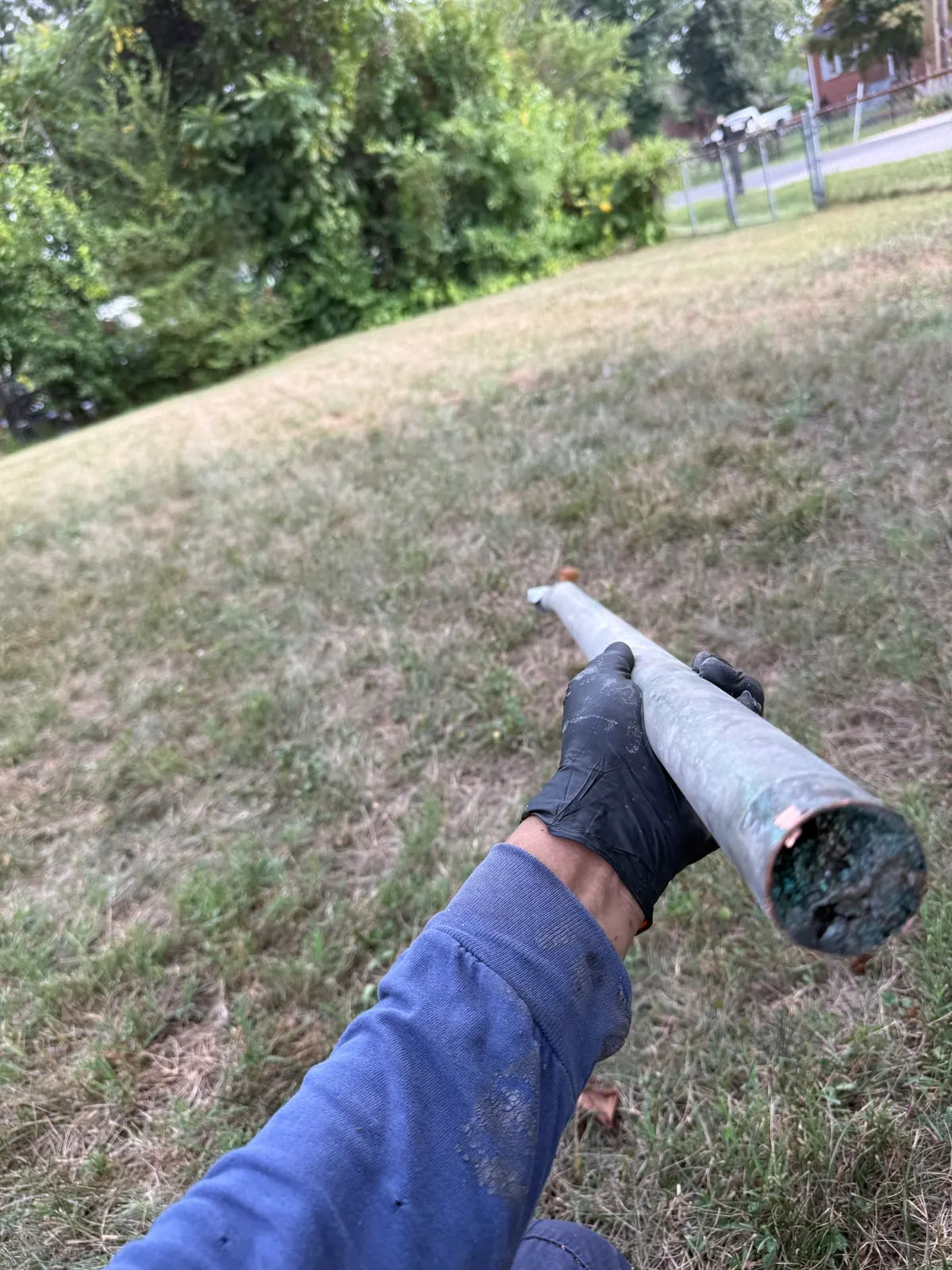
Frozen and burst pipes lead the winter. The worst nights are the first hard freezes of the season, and the flood typically appears the morning after the cold snap rather than during it — the pipe splits while frozen, then releases when it thaws. Pipes in unheated crawlspaces, garages, and exterior walls are the usual failures.
Water heater ruptures run year-round and are especially destructive when the unit sits above a finished space. Sewer and main line backups spike during heavy rain when municipal lines surcharge, and those are Category 3 losses requiring containment, disinfection, and removal of porous materials — not a mop and a fan.
Why the mitigation matters as much as the repair
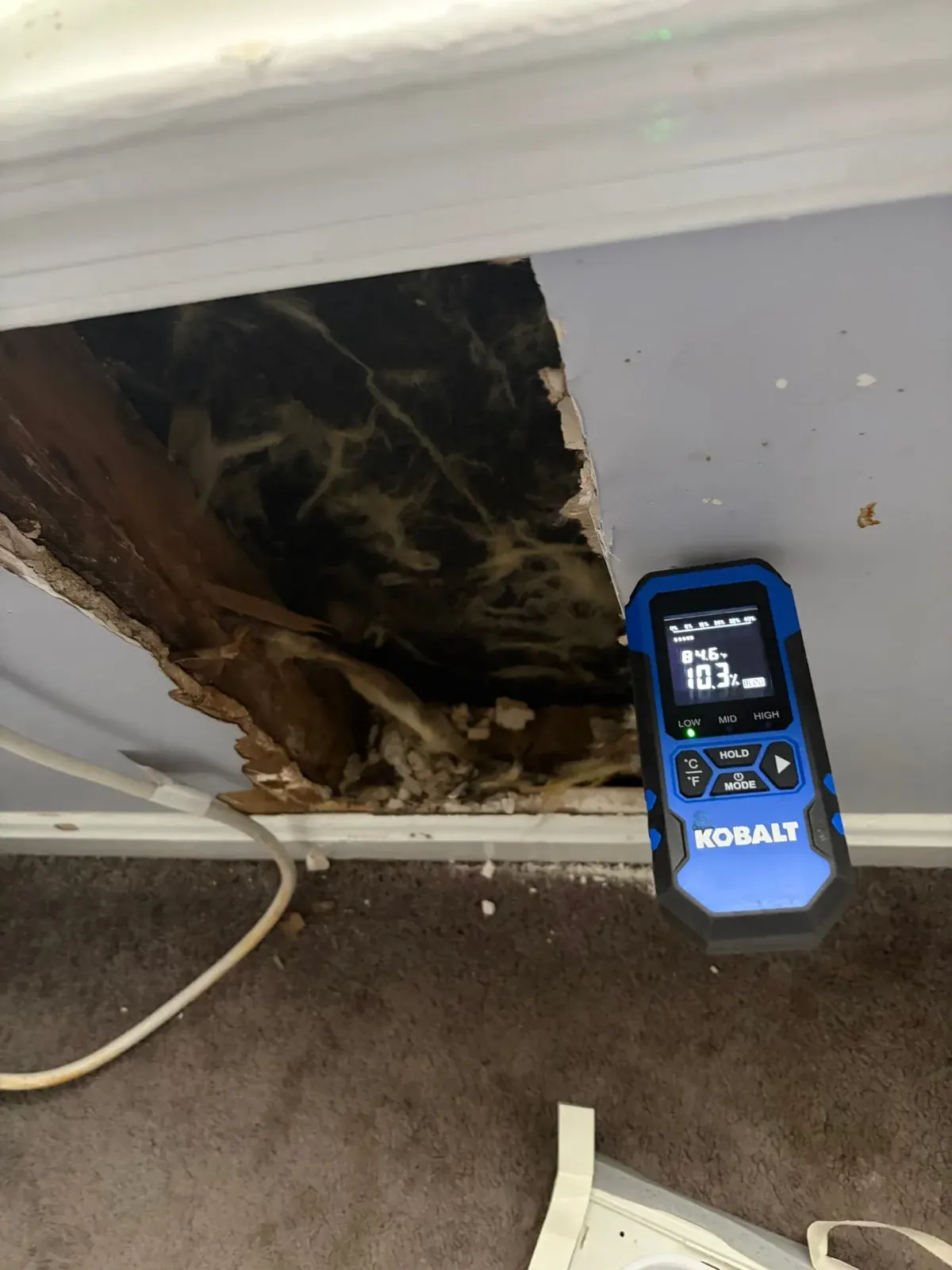
Stopping the leak is the easy half. What determines the size of the claim is what happens in the next twelve hours. Water wicks up drywall, saturates insulation inside wall cavities, and gets under hardwood and into subfloor within hours. Mold colonization can begin inside 24 to 48 hours in Maryland humidity.
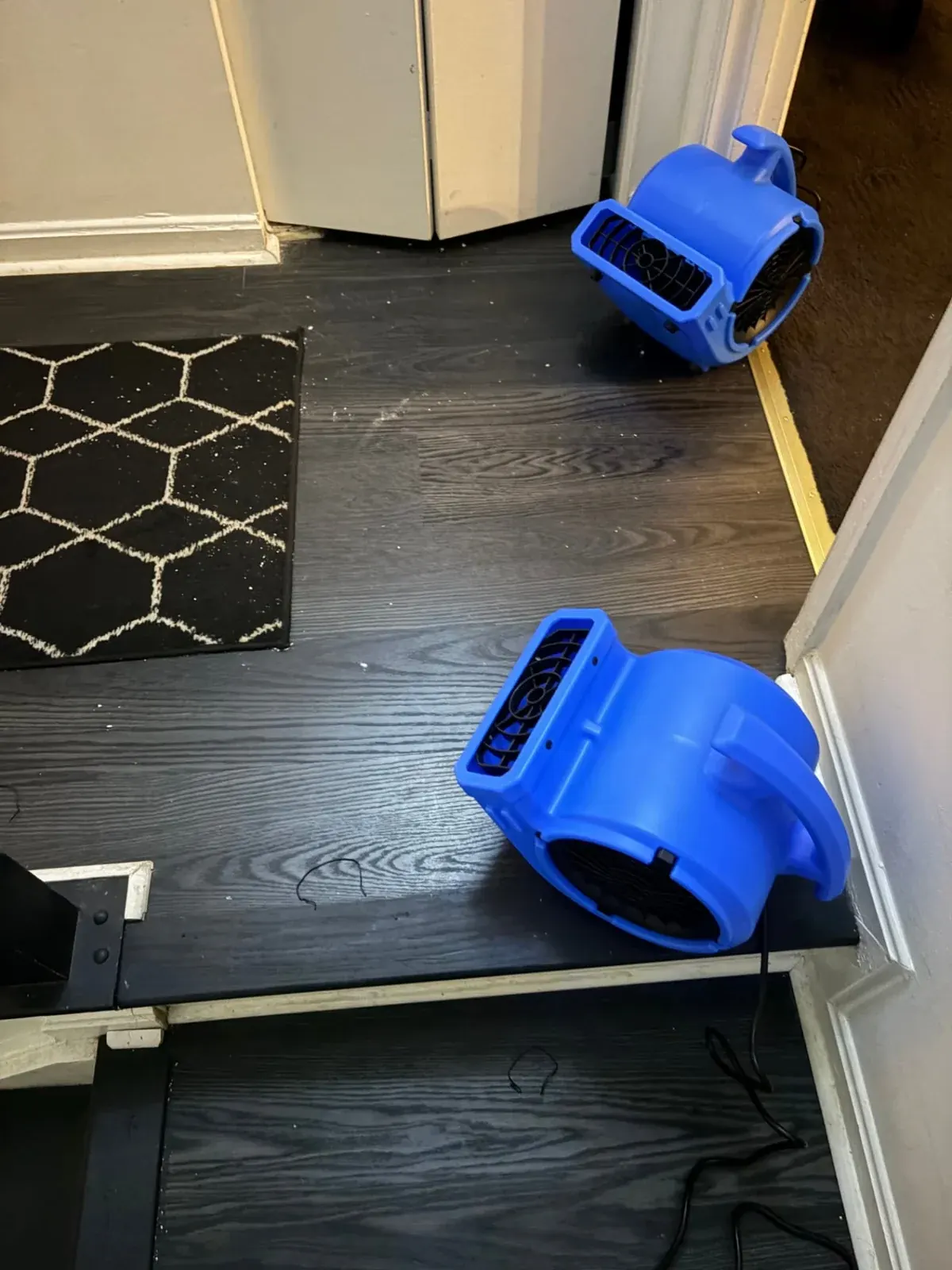
A plumbing-only contractor fixes the pipe and leaves. We extract on the same visit, set moisture meters and thermal imaging to map how far the water actually traveled, place air movers and dehumidifiers, and monitor daily until readings return to dry standard. That is the difference between a drying bill and a reconstruction bill.
Insurance and after-hours cost
Sudden and accidental discharge from plumbing is covered by virtually every standard homeowner policy, and emergency mitigation performed to prevent further damage is covered even before an adjuster has been assigned. Waiting until morning to protect the property is not required by your policy — and delay can be used to argue you failed to mitigate.
We answer live 24 hours a day, seven days a week, including holidays, and we provide the carrier-ready documentation package with every emergency dispatch across Maryland, DC, and Northern Virginia.